A power weeder is a walk-behind machine that drives a set of rotating tines into the soil to cut weeds, break the crust and mix fertiliser or compost into the top few inches. On an Indian holding it does the work that once needed a line of labour with hand hoes: inter-row weeding in cotton, chilli and vegetables, bed preparation inside a polyhouse, and soil turning in an orchard basin. Small farmers, nursery owners, polyhouse growers and contractors who hire machinery out by the day are the usual buyers.
How to choose a power weeder
Start with the row spacing on your plot, not with horsepower. The working width of the machine has to clear the crop on both sides, otherwise you spend the day lifting the machine out of the row instead of working. A 800 mm width covers open beds and freshly harvested land quickly; a 600 mm width fits between closer standing rows.
Then set the depth you actually need. Shallow passes of 200 to 300 mm are enough for weeding and for mixing in fertiliser or farmyard manure. Root crops, heavy black soil and full seed-bed preparation want the deeper 175 to 350 mm range, and a deeper cut takes more engine to hold, which is why the deeper machine carries the larger engine.
Engine size therefore follows from width and depth together, not from either one alone. A 163cc, 5.5 Hp engine pulls a wide shallow cut comfortably. A 196cc, 6.5 Hp engine is what you want when the tines are going down to 350 mm in soil that has set hard between seasons.
Both machines in this range are four stroke, which means plain petrol and a separate oil sump: no fuel mixing, less smoke and quieter running than the two stroke engines used on a brush cutter. For a machine that may run four or five hours at a stretch in standing heat, four stroke is the right choice.
Finally, be honest about plot size. Below roughly two acres, or on fragmented plots spread across a village, owning a weeder usually beats hiring a tractor, because the machine is free on the day the soil is right rather than the day the tractor is.
The models JP Kissan supplies
Two walk-behind machines cover this category, both sold in the mini tiller and cultivator range.
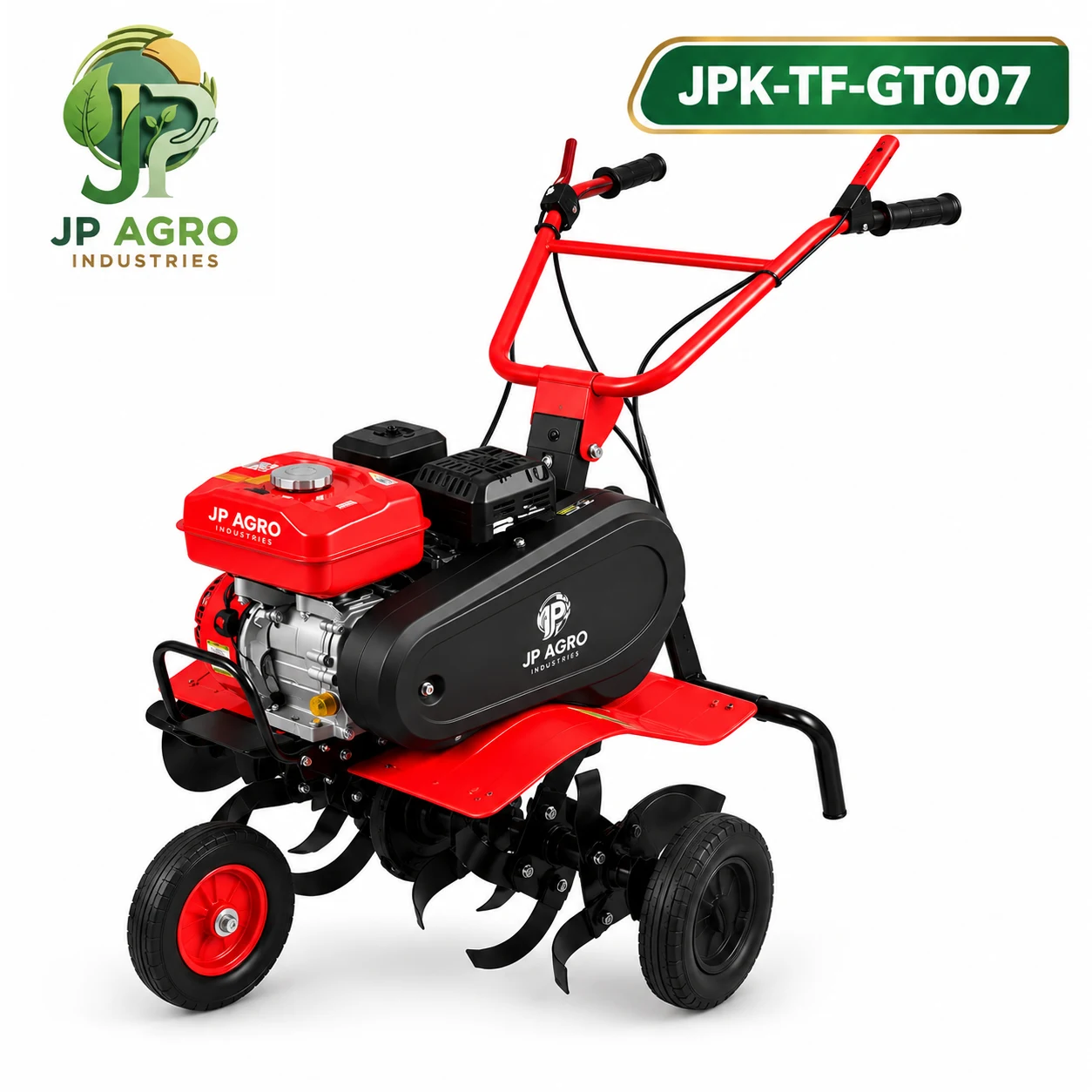
The JPK-TF-GT007 is a four stroke 163cc unit rated 5.5 Hp. It works 800 mm wide at a depth of 200 to 300 mm. The wide cut is what makes it quick: on an open vegetable bed or a cleared plot it covers ground in far fewer passes than a narrow machine, and 300 mm is deep enough for weeding, aeration and working in manure. This is the machine most small holdings settle on.
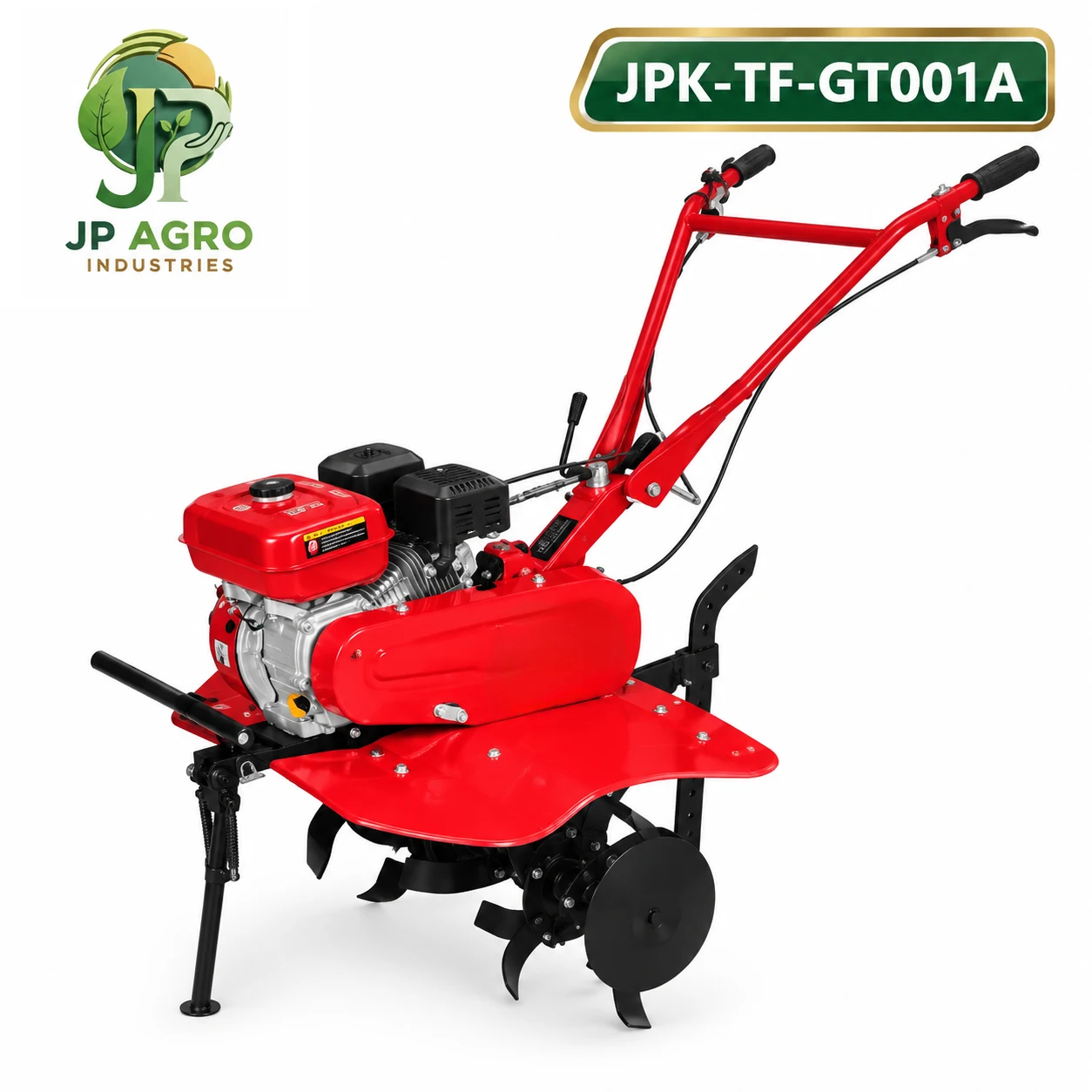
The JPK-TF-GT001A is a four stroke 196cc unit rated 6.5 Hp, working 600 mm wide at 175 to 350 mm. It trades width for depth and power. The narrower cut is deliberate, because it is the one that fits between standing rows without tearing the crop, and the extra depth matters for potato, ginger, turmeric and groundnut, and for any soil that has baked hard. Buyers shopping for a 7 HP power tiller should compare against this machine; it is the nearest unit we supply at that rating.
Rotary tines on both machines turn the soil over rather than dragging through it, which buries weed growth instead of pulling it down the row and reseeding it.
Running cost and what affects the price
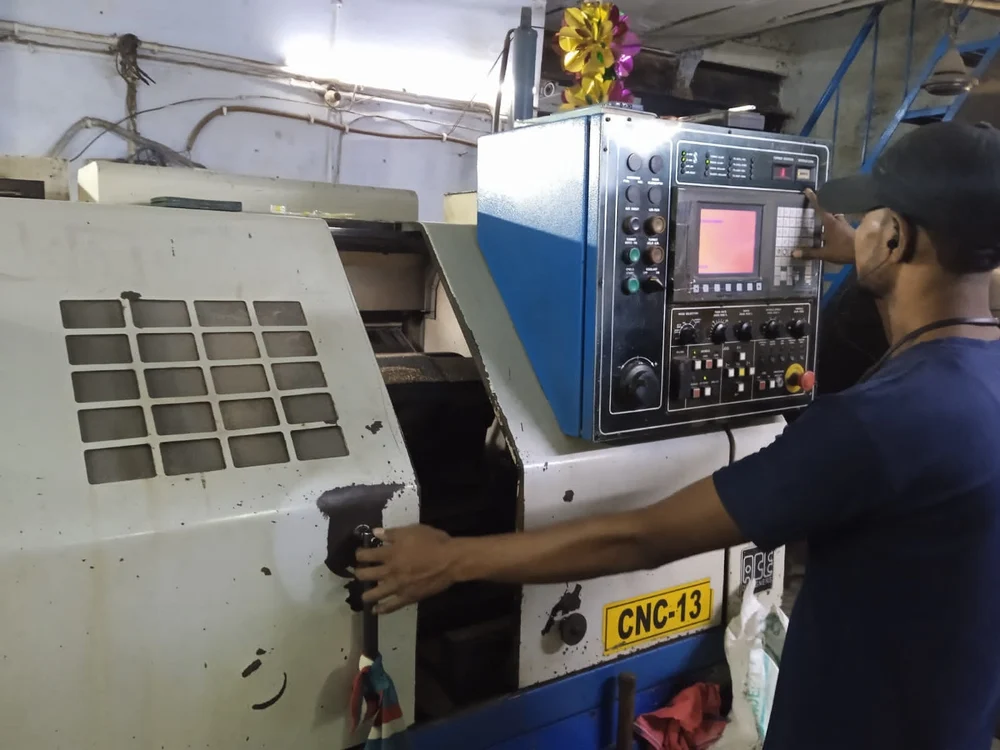
We do not publish a rupee figure for these machines; pricing is on enquiry through a dealer, because it moves with configuration and quantity. What drives it is straightforward. Engine displacement is the largest single factor, so the 196cc machine sits above the 163cc one. Build quality in the gearbox and the tine assembly is next, and it is where a cheap machine gives itself away inside a season. After that come the tines and attachments supplied with the unit. Day to day your cost is petrol, engine oil and tines, and tines are a wear item on stony ground, so ask about spare parts availability before you buy.
Where a power weeder is used
In a vegetable plot the machine runs between rows of brinjal, chilli or tomato through the season, cutting weeds and loosening the crust after irrigation so the next watering soaks in instead of running off the surface.
In an orchard, or a coconut and areca garden, a tractor cannot turn between the trees. The weeder works the basins and the strips between rows, and the same operator who ran the grass cutting machine through the undergrowth in the morning can work the soil in the afternoon.
Inside a polyhouse or a shade net house, a tiller of this size is the only practical cultivator. It gets through the door, turns inside the bay and prepares beds between crop cycles where a tractor would never fit.
Maintenance that actually matters
These are four stroke engines, so run plain petrol and keep the oil separate. Never pour mixed fuel into them. Check the sump oil before the first start of the day: a tiller works at full throttle with the engine leaning and bouncing, which is the hardest condition an air-cooled engine sees, and low oil will finish it faster than anything else on this list.
Clean the air filter every day you work in dry soil. Tilling throws fine dust straight up into the filter housing, and a choked filter shows up as a machine that has lost power and smokes under load.
After the day's work, scrape soil off the tines before it dries. Dried mud holds moisture against the steel and hides a bent or cracked tine until it fails in the field. Check the tine bolts weekly, because they work loose in stony ground, and keep the gearbox oil topped up to the mark.