
Spare Parts
Genuine JP Kissan agriculture spray pump spare parts, engine components, blades, cocks and joints for the full range.
Browse By Type
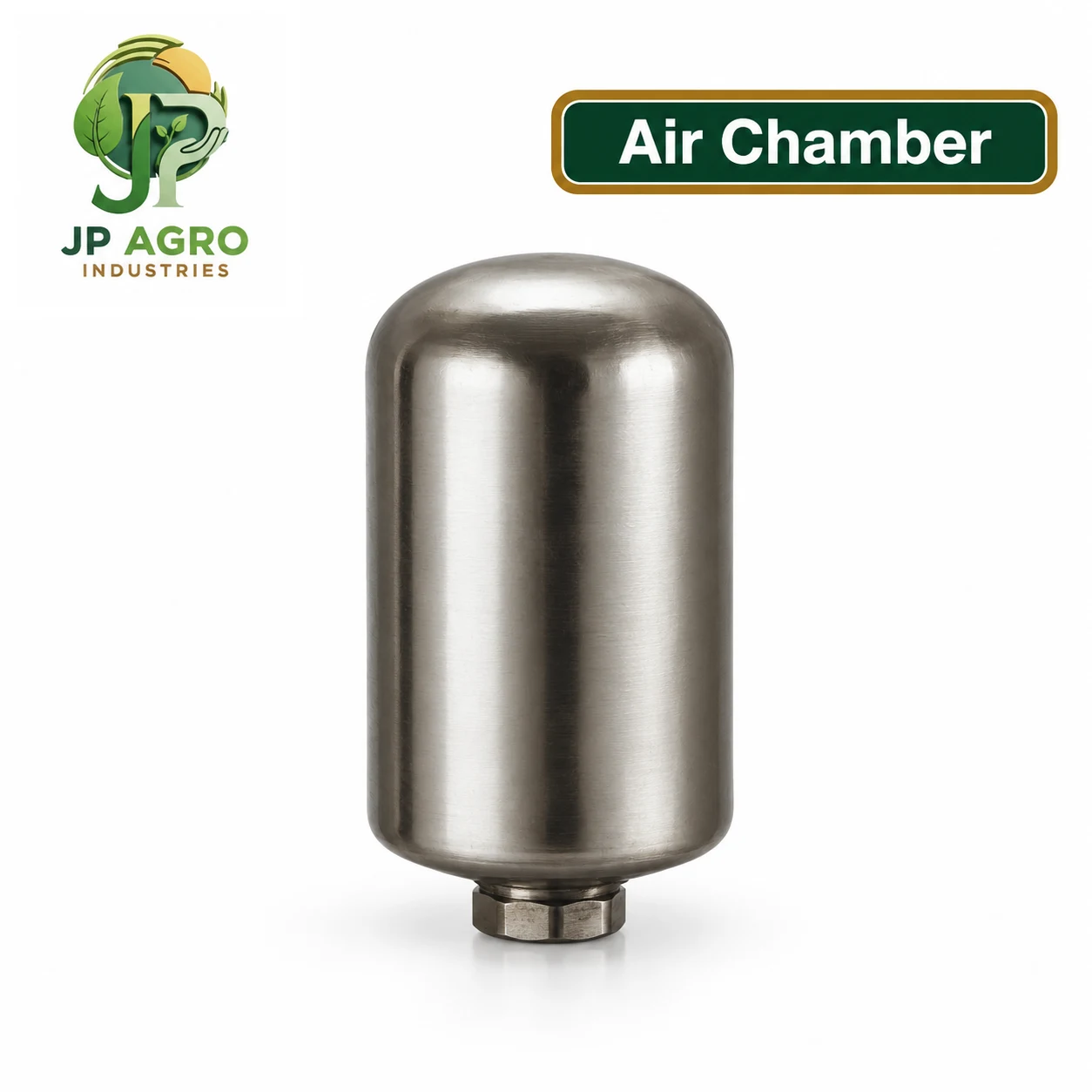
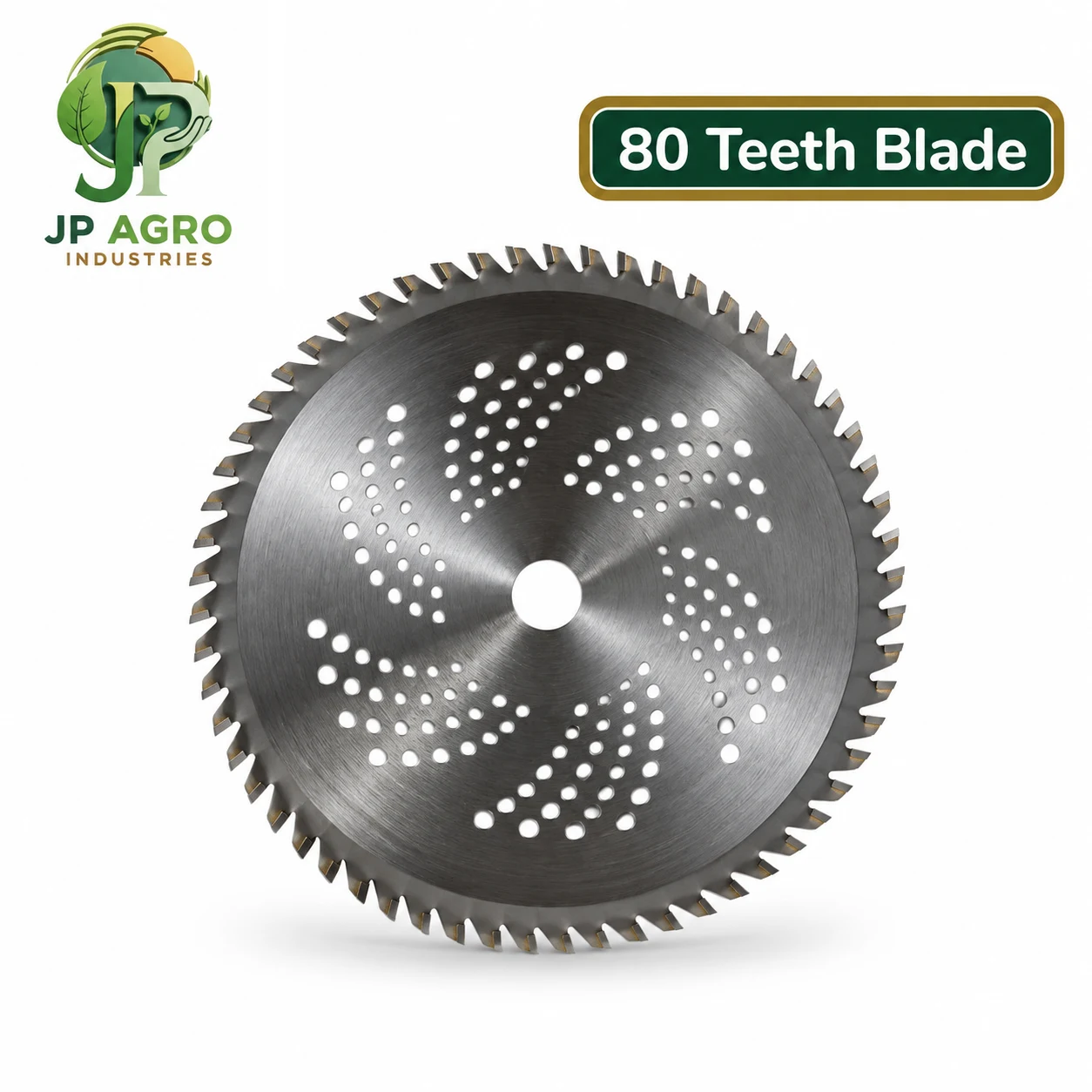
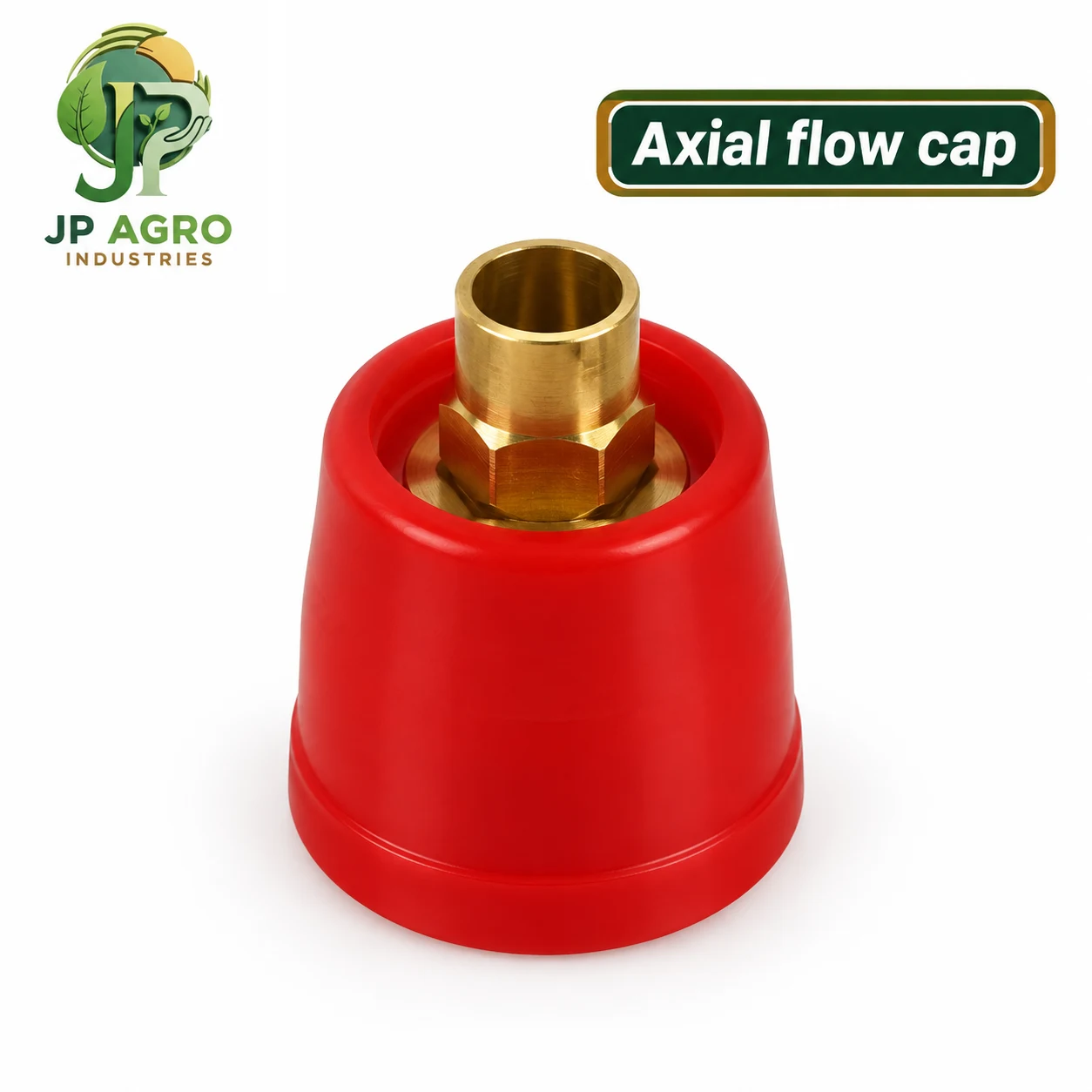
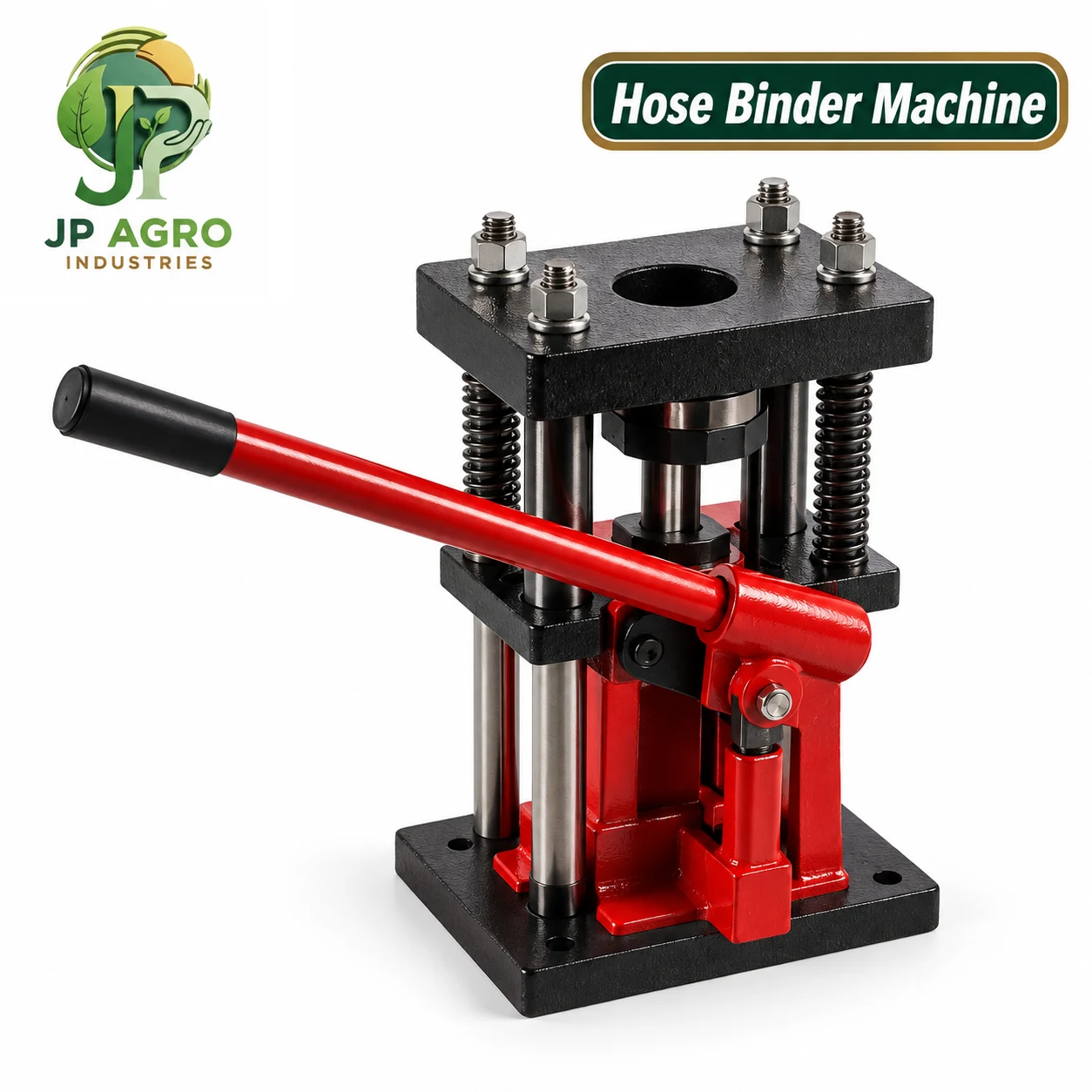
Most farm machinery in India is not replaced when it stops working. It is repaired, often by the owner, often in the middle of a season, and whether that repair takes an hour or a week comes down to whether the right part is on a shelf within reach. These spares cover the JP Kissan range of plunger pumps, brush cutters, sprayers and engines, and they go out both to farmers fixing one machine and to dealers and service workshops stocking for a district.
How to identify the part you need
The one rule that saves everybody time is this: a part is identified by the machine it came off, not by its name. The same words, plunger, seal kit, air chamber, blade, cover parts of several different sizes across the range, so a request for a plunger set with no model number cannot be answered.
For a pump, find the model stamped on the body and read off the plunger specification. Our pumps run three plungers, but the diameters differ by model, 16 or 18 mm on the smallest units, 22 mm through the mid range and 30 mm on the larger ones, with different stroke lengths behind them. A seal sized for a 22 mm plunger will go into a 30 mm pump and leak. Some models are built with ceramic, grease free plungers, and those take a different seal from a steel plunger, so note which you have before ordering.
For a brush cutter, start with the pole diameter, 26 mm or 28 mm across our range, and whether the machine is two stroke or four stroke, because the head, the shaft and the gearbox all follow from that. For a gun or a nozzle, the cap size is the identifying number. For an engine, quote the component reference from the catalogue, F01 to F24, alongside the engine model.
If you cannot find a number anywhere, send a photograph of the worn part next to a scale or a measuring tape. A clear photograph is read faster and more accurately than any written description, and it removes the back and forth that costs a working day.
What JP Kissan supplies
HTP pump spare parts are the largest group, and they are wear items by design rather than by accident. Pump wear parts cover plungers and plunger sets, ceramic plunger sets, air chambers and longer air chambers, filter nets, pulleys, valves and seal kits for the JPK pump series. Plunger seals, valve seats and O rings are meant to be changed on a schedule, because a seal that is run to failure lets chemical past into the crankcase and turns an inexpensive repair into a new pump.
Brush cutter spare parts cover the end of the machine that meets stone. Tap and go trimmer heads and nylon cutter heads suit soft grass and bund edges; metal blades in 40 tooth and 80 tooth suit woody growth and standing crop. The same group covers deep tillers and crop reaper attachments for multi-function machines, and the parts behind the head, the gearbox, the flexible shaft, the harness and the guard.
Spray guns and nozzles run from Europe style guns with caps at 35, 45, 60 and 90 cm, through axial flow caps and nozzle caps, to cleaning guns for wash down work and 2 foot and 3 foot lances for knapsack and battery machines. Brass cocks and joints cover 1 1/4 and 1 1/2 cocks, 3/8 and 1/4 ball cocks, tri entrance cocks, 1/2 brass joints, 3/4 to 1/2 externals, two way joints, hose joints, suction joints, Y joints and flexible joints. Engine spare parts F01 to F24 serve the JP Kissan engine range, and workshops handling spray hose in volume also take our hose binder and shaking machines.
What affects the price
Size is the first factor, since a 30 mm plunger set costs more than a 22 mm one in the same family. Material is the second: ceramic plungers and brass fittings are quoted above steel and moulded equivalents, and both last longer in the conditions they are chosen for. Build matters on blades, where tooth count and steel grade separate one metal blade from another. Quantity is the fourth, and it is where dealers and workshops gain most, since a seal kit bought in tens is quoted differently from a single piece. No rupee figures are published for spares here; pricing is on enquiry through your dealer, quoted against the model and the part reference.
Where it is used
A spraying contractor working five villages through the kharif season keeps seal kits and nozzle caps in the vehicle, because a stoppage in somebody else's field is lost income, not just lost time. A farmer clearing bunds before sowing gets through trimmer heads and the occasional blade, and a spare head in the shed is the difference between a half hour pause and the rest of the day. A dealer workshop stocks across the range, since a customer whose pump is stripped on the bench expects it running the same day.
A practical note on worn plungers and nozzles
Worn parts do not usually announce themselves by breaking. They waste money quietly first. A nozzle wears open with use, and a cap that has gone ten percent oversize puts roughly ten percent more chemical on the crop every tank, every pass, all season, which costs far more than the nozzle. A worn plunger seal does the opposite: the pump loses pressure, the spray pattern coarsens, the operator walks slower to compensate and coverage still suffers. Both faults are usually blamed on the pump when the real cost is in the chemical. Check nozzle caps at the start of every season and replace them as a set rather than one at a time, so the pattern stays even across the boom. When you fit a new nozzle, renew its brass seat with it; a new nozzle in a worn seat leaks under pressure and wears out early.
Frequently Asked Questions
What information do you need before quoting a spare part?
The machine model and the part reference from the catalogue. For a pump that means the model stamped on the body and the plunger size; for a brush cutter, the pole diameter and whether it is two stroke or four stroke; for an engine, the component reference F01 to F24.
I cannot find a model number anywhere on the machine. What should I do?
Send a photograph of the worn part with a measuring tape or scale beside it. A clear photograph is quicker and more reliable than a written description and avoids ordering the wrong size.
Which plunger sizes do JP Kissan pumps use?
All are three plunger pumps, but the diameters differ by model: 16 or 18 mm on the smallest units, 22 mm through the mid range and 30 mm on the larger pumps. Seals and plunger sets are not interchangeable between those sizes.
How often should plunger seals be replaced?
Treat them as scheduled items rather than running them to failure. Once a seal fails, chemical passes into the crankcase and an inexpensive repair becomes a pump replacement.
Do you supply parts to dealers and workshops in bulk?
Yes. Spares go out in bulk to dealers and service workshops, and bulk quantities are quoted separately from single pieces. Send the model list and quantities for a quotation.
Is there a published price list for spare parts?
No. Parts are quoted against the model and the part reference, because the same part name covers different sizes across the range. Send an enquiry with the model and quantity and we will send a quotation the same working day.
Need Spare Parts in volume?
We supply dealers, distributors and institutional buyers across India from our New Delhi works. Send us your requirement for dealer pricing and delivery terms.
Customer Reviews
4.8 out of 5 · 5 reviews on Google
Best quality.
Wide range of products. Quality products.
Good quality.
Nice range of agro pumps and good service by the staff.
Good quality product and talented staff.